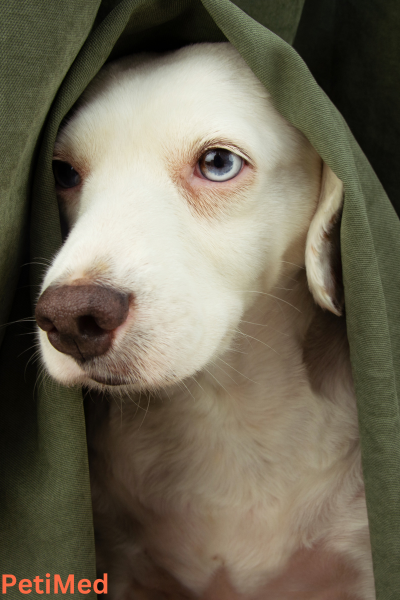
Pets anxiety and distress known as noise aversion. This Time of Year Can Be Tough on your Pets.

Description (Related:1)
This Time of Year Can Be Tough on your Pets
In some US States such as Nebraska or Texas, Summer doesnt just bring sunshine and barbecues. It brings booming thunderstorms, unpredictable weather, and of course, fireworks. For many dogs and cats, these loud noises trigger real fear, and that fear can turn into anxiety and distress known asnoise aversion.
Repeated exposure to these loud or unpredictable sounds can create a pattern of heightened stress. Many pets begin to anticipate the noise before it even starts, pacing when the skies darken, hiding when they hear a neighbor setting off fireworks, or trembling long after the last rumble fades. If your pet shows signs of anxiety during storms or fireworks, you're not alone.
Common Signs of Noise Anxiety in Pets
Hiding or trembling
Pacing or vocalizing
Clingy or restless behavior
Refusing food
Destructive chewing or scratching
Accidents in the house
Categories
Preferences
| Health Condition | Anxiety |
| Journal Topics | Nuisance Noise, Nuisance Weather |
| Journal Types | Contains: Links & URLs, Information |
| Products & Devices For: | Activity & Funs, Events: 4th of July, Events: Halloween, Pets Shelters & Safety |
Discussions
goKnow Trivia Conducted by PetiMed
Pets Path to a Healthier Life.About Us
Pet Patient education is the process by which Veterinarians and others share information with pet owners that will alter their health behaviors or improve their health status.
Pet Parents need to know when, how, and why they need to make a lifestyle change. goKnow provides a Fun and Simple way for Pet Parents to learn and share.
The value of Pets' patient education can be summarized as follows:
- Improved understanding of their Pets' Health, Body, and Wellness.
- Improved knowledge of their Pets' medical condition, diagnosis, disease, or disability.
- Improved knowledge of methods and means to manage multiple aspects of Pets' medical conditions.
- Improved self-advocacy in deciding to act both independently from Veterinary medical providers and in interdependence with them.
- Increased Compliance, Effective communication, and Pets' Patient education increase Pet Parents' motivation to comply.
- Informed Consent: Pet Parents feel you've provided the information they need.
- Utilization: More effective use of medical services, fewer unnecessary phone calls and visits.
- Satisfaction and referrals, Pet Parents are more likely to stay with your practice and refer other patients.
- Risk Management: Lower risk of malpractice when Pet Parents have realistic expectations.
Contact
Address: 221 Main Street, Suite 1257, Los Altos, CA, 94023
Web Site Address: https://Petimed.com/goknow
E-mail: support@petimed.com
Community Journal
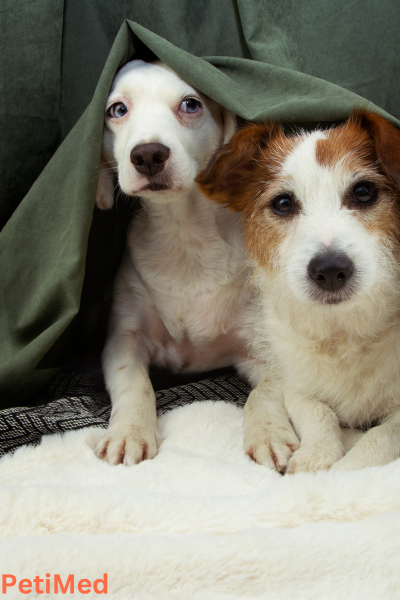

Weather changes: Heat, Rain, Humidity, Tornados, and Loud noises can be stressful for pets.
Pets anxiety and distress known as noise aversion. This Time of Year Can Be Tough on your Pets.