Adult Dog Preventive Care: 5 Key Steps for Healthy Life


Description
Preventive care is the foundation of good health for your dog. By taking a proactive approach through vaccinations, regular exams, and dental care, you can help your dog avoid serious health issues and lead a longer, happier life.
Step 1) Preventive Exams for Dogs: Detecting Health Issues Early
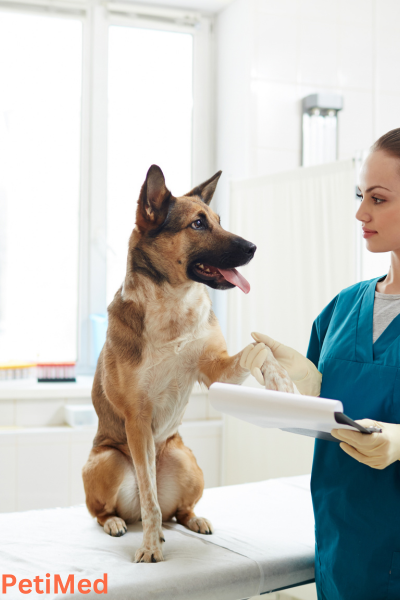
Annual or semi-annual wellness exams are crucial for detecting health issues in their early stages. Even if your dog appears healthy, regular check-ups give your Pet's care team the opportunity to understand your dog's unique needs and make the best recommendations for your family.
Step 2) Dog Vaccinations: Shielding Your Dog from Harm
Vaccinations are a cornerstone of preventive care, protecting your dog from highly contagious and dangerous diseases. Diseases such as rabies, distemper, and parvovirus are preventable. Regular vet visits keep your dogs' vaccinations up to date, and our veterinarians will tailor the schedule based on their lifestyle and risk factors. Vaccines not only keep your dog safe but also protect your family from zoonotic diseases that can spread to humans, such as Leptospirosis.
Step 3) Parasite Prevention & Fecal Exams for Dogs
Parasite control is an essential aspect of your dog's health. Year-round prevention is the best care to keep your dog safe. Common parasites like fleas, ticks, and heartworms can lead to severe health complications, ranging from skin infections to organ damage.
--Fleas and Ticks
--Heartworms
--Intestinal Parasites & Fecal Exams
Protecting your dog from parasites not only keeps them healthy but also minimizes risks for the entire household.
Step 4) Dog Dental Care: Why It Matters
Good oral hygiene is vital to your dog's overall health. Without preventive dental care, your dog could develop gum disease, infections, and other conditions that may affect major organs like the heart and kidneys. We recommend regular dental exams and cleanings, along with at-home care, to keep your dog's teeth and gums in excellent condition.
Step 5) Dog Eye Care: Why It Matters
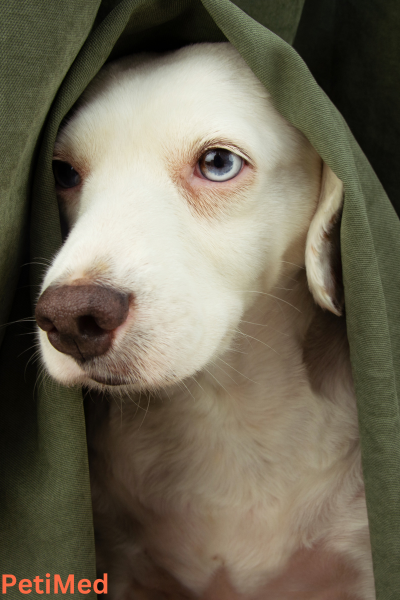
A dog eye health checklist should include regular visual inspections for signs of redness, swelling, discharge, cloudiness, or changes in pupil size. It's also important to note if your dog is squinting, pawing at their eyes, or showing signs of vision impairment like bumping into things. Routine care, like keeping hair trimmed around the eyes and gentle cleaning, can help prevent issues, but annual vet check-ups are crucial for preventative care and early detection of problems
Categories
Preferences
| Health Condition | Allergies, Allergy, Blindness, Deficiency, Dental Infections, Diabetes, Digestive Issues, Dry Eye, Ear Infections, Eye Infections, Fleas, Genetic, Heart Disease, Heartburn, Heartworms, High Blood Pressure, Kennel Cough, Senior Pets Health, Sleep, Stress, Ticks, Vitamin Deficiency |
| Journal Topics | Pets Health & Wellness |
| Journal Types | Contains: Images & Pictures, Contains: Media, Contains: Videos , Information |
| Medical Services | Vaccination , Veterinary Care professionals (DVM VCP), Veterinary Technician Professionals (RVT VTP) |
| Pet Diseases | Blood Pressure, Dental Disease, Depression, Anxiety , Dewormers & Parasiticides, Diabetes Care , Ear Care, Fleas |
| Products & Devices For: | All Health Matters |
| Veterinarian Care & Therapy | Animal Bloodwork, Animal Dental Care, Animal Hospitals, Vaccination & Check-Up, Veterinary Vet Clinics, Wellness Care |
Images


Reference URLs
Discussions
goKnow Trivia Conducted by PetiMed
Pets Path to a Healthier Life.About Us
Pet Patient education is the process by which Veterinarians and others share information with pet owners that will alter their health behaviors or improve their health status.
Pet Parents need to know when, how, and why they need to make a lifestyle change. goKnow provides a Fun and Simple way for Pet Parents to learn and share.
The value of Pets' patient education can be summarized as follows:
- Improved understanding of their Pets' Health, Body, and Wellness.
- Improved knowledge of their Pets' medical condition, diagnosis, disease, or disability.
- Improved knowledge of methods and means to manage multiple aspects of Pets' medical conditions.
- Improved self-advocacy in deciding to act both independently from Veterinary medical providers and in interdependence with them.
- Increased Compliance, Effective communication, and Pets' Patient education increase Pet Parents' motivation to comply.
- Informed Consent: Pet Parents feel you've provided the information they need.
- Utilization: More effective use of medical services, fewer unnecessary phone calls and visits.
- Satisfaction and referrals, Pet Parents are more likely to stay with your practice and refer other patients.
- Risk Management: Lower risk of malpractice when Pet Parents have realistic expectations.
Contact
Address: 221 Main Street, Suite 1257, Los Altos, CA, 94023
Web Site Address: https://Petimed.com/goknow
E-mail: support@petimed.com
Community Journal
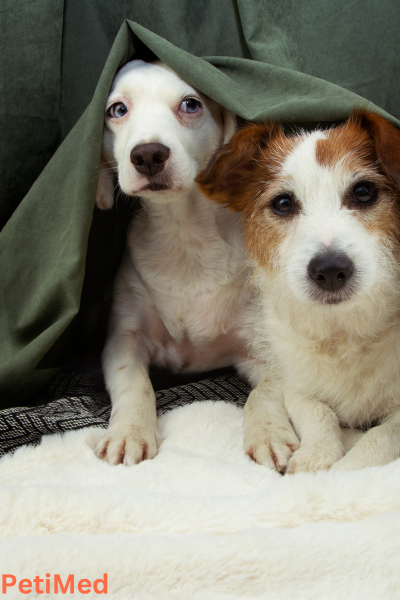

Weather changes: Heat, Rain, Humidity, Tornados, and Loud noises can be stressful for pets.
Pets anxiety and distress known as noise aversion. This Time of Year Can Be Tough on your Pets.